


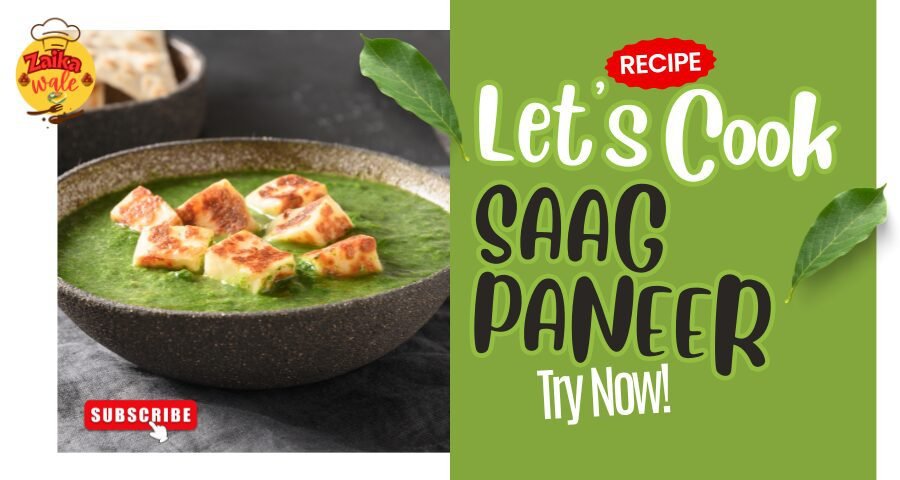
Saag Paneer is a North Indian dishes that is warm, filling, and soothing. It is made with seasonal leafy greens cooked with spices and soft paneer cubes. This traditional winter dish is quite popular in Punjab and Uttar Pradesh, where there are lots of fresh mustard greens, bathua, spinach, and fenugreek leaves. Saag Paneer is the perfect mix of comfort food and health food. It has a lot of flavor, a creamy texture, and a lot of good nutrition.
This meal takes the flavors of palak paneer to the next level by mixing strong, earthy greens with spices and topping them with buttery paneer. It goes great with missi roti, makki ki roti, tawa roti or even steaming rice.
This full recipe blog will teach you all you need to know about making saag paneer at home, including the traditional process, the best greens to use, step-by-step directions, variants, recommendations, how to store it, how to serve it and more.
What is Saag Paneer?
Saag Paneer is a North Indian curry made with leafy greens including spinach, mustard leaves, bathua, methi, and other winter greens. It is cooked with onions, garlic, ginger, and spices. After cooking, the mixture is mashed or pureed and then boiled with soft paneer cubes.
The word “saag” means any leafy green, not just spinach. Usually, sarson ka saag employs mustard greens, but saag paneer is more flexible. The best flavor comes from utilizing a combination of greens. Most of the saag dishes still use mustard greens, even if the restaurant version isn’t made the same way as the traditional dish.
This dish is easy to follow, good for you, and tastes great. Because it has more leafy greens in it, this is really a SAAG and not as creamy as my Palak Paneer. This is cooked using mixed greens, while Palak Paneer is made with only spinach.
You can use a mix of leafy greens including spinach, mustard greens, baby kale, radish greens, bathua, collards, Swiss chard, and fenugreek. But you should use the greens you like because they will affect the taste and flavor of your food.
I use baby spinach, fenugreek, and choy sum to make mine. Choy sum is a leafy green that relates to the mustard family.It has a sweet and pleasant taste. There are many different varieties of mustard greens cultivated all over the world. What is utilized for sarson ka saag in India might not be available in other places.
You may substitute the mustard greens with your favorite fresh greens that are easy to get in your area and don’t taste bitter. Use fresh, young greens instead of older leaves, which can make the saag taste bitter and metallic.
We have tried this recipe with a lot of various types of leafy greens to make sure it doesn’t taste bitter, metallic, or dull. Tomatoes and yogurt are acidic and help cut down on the bitter flavors. Carrots and tiny turnips add sweetness. A little bit of cream (dairy or nut cream) is added to the meal to make it a little creamy.
Traditional sarson ka saag does not utilize spices like garam masala since it uses a little bit of maize or yellow corn flour. It not only thickens the saag, but it also adds flavor. Since we don’t use flour, this recipe employs garam masala to give the meal flavor.
How to make Saag Paneer (Stepwise Photos)
- I show you how to make it in a pan with photos, but I also give you the recipe for the Instant Pot. The only thing that would be different is the color of your Saag, since it is cooked under pressure. The photographs depict a double recipe, which produces 6 servings, however this recipe only makes
- You can use greens that are ready to use (pre-washed) to save time. Otherwise, rinse them well three times in a lot of water and then drain them into a strainer. You will need 4 cups of baby spinach leaves or palak (without the stalks), which is 120 grams or 4.5 ounces.
- 4 cups of mustard greens, choy sum, baby kale, or a mix of the three (without the stalks, 120 grams/4.5 ounces)
- If you’re using kale, take off the stems and wash them well. Try the raw leaves. If they taste harsh, cut them up and add them to 3 cups of boiling water with 2 tablespoons of lemon juice. Blanch them for three minutes. Take out and add to cold water, then drain into a sieve.
You will also need
- 3/4 cup of onions (1 medium onion, sliced)
- 1 to 2 green chiles, cut open and adjusted to your heat tolerance
- 3 medium-sized garlic cloves, peeled and cut into thick slices if needed
- ½ inch of ginger, peeled and cut into thick pieces
- ½ cup of ripe tomatoes (60 grams), cut into slices (I peel them before)
- Cut up ⅓ cup of carrots (or baby turnips, 50 grams) to make the bitter taste less strong.
- ¼ cup of thick yogurt or curd (or ¼ cup of tomatoes)
You Will Need the Following & Other Ingredients:
- ½ teaspoon of salt (more if you need it)
- ½ teaspoon sugar (optional; use if you want)
- ¾ to 1 teaspoon of ground coriander
- ½ teaspoon of ground cumin
- 1 pinch of turmeric (add more if you desire)
- Use ¾ to 1 teaspoon of garam masala (or more if you wish).
- 1 tablespoon kasuri methi (taste your saag before adding it)
- Tadka needs 1½ to 2 tablespoons of ghee and 1 tablespoon of butter.
- ¼ cup of heavy cream (or cashew cream made from 12 nuts, ground into a fine powder, and mixed with ¼ cup of water or milk until smooth)
Put ½ tablespoon of ghee in a pan that doesn’t stick, spread it out, and heat it.

Put 250 grams (9 ounces) of chilled paneer cubes in the skillet and cook them over medium-high heat until the bottom turns brown.

Using a wooden tong, turn the pieces over and fry them again until they are golden.

Put them aside in the pan.If you’re using an Instant Pot, you can skip this step and add the paneer right later to make it a one-pot meal.
Make The Saag
- Add the rest of the ghee to a skillet along with the sliced ginger, garlic, and onions.

Saute for 7 to 8 minutes, or until the raw taste of the onions is gone. Turn down the heat and add the turmeric, coriander, and cumin.

Instant pot: Do the above procedure on the sauté mode. It will just take you 3 to 4 minutes to sauté the onions.
- Add yogurt or curd and tomatoes. Cover and mix well. Cook over medium heat until the tomatoes turn to mush.

Instant pot: This will takes you about just 3 to 4 mins.
- The onions should be totally soft.
- Add the carrots and cook for 2 to 3 minutes. This step brings out the sweet tastes. Put in the spinach.
Instant pot: Add the carrots, then all the greens, and cook until they are soft. Add ¼ cup of water. Put a lid on it and cook it under pressure for 10 minutes. Let the pressure drop on its own for at least 10 minutes, then let the rest out by hand.
- Also, put in all the other greens.
- Let them steam, simmer, or sauté until they are wilted and done. It should take you five to six minutes. I didn’t add any water at all. The washed greens have enough water droplets to cook. You can add water to the pan if it gets too dry, though.
- You can put a green chile aside if you want. Add ¼ cup of water and blend with an immersion blender or a regular blender until the mixture is a little bit chunky. If you’re going to use a blender, let it cool down first. Add a little water if the mixture is too thick.
- If you want more heat, taste the food, add the reserved chile, and mix it in. Put salt and saag puree in a bowl and mix them together.
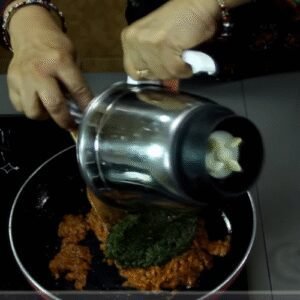
Bring it to a slow simmer and cook it over medium heat for 6 to 7 minutes, or until it no longer smells raw. If you don’t like how thick it is, add some boiling water as you’re doing this.

Instant pot: Do the same blending step and cook for 2 to 3 minutes on the saute setting. Do what the rest of the steps say to do. Put the uncooked paneer in the pan and add tadka for more flavor.
- If you need to, add sugar and garam masala. I like to add kasuri methi because my saag tastes sweet even without sugar. First, taste it, and then add sugar or kasuri methi to make it taste better.
- First, mix them up very well, and then add the cream.

- Add fried paneer (save some to use as a garnish). Cook for 3 to 4 more minutes, or until the smell is strong.

At this point, taste it again and add anything you like, like as salt, garam spice, or additional cream.
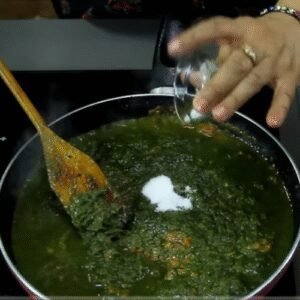 You don’t have to cook after adding paneer if you’re prepared this dish ahead of time and want to reheat it later. Just do that when you heat it up again.
 - Only temper when you’re ready to serve. To moderate, you will need the following:
- 1 tablespoon of ghee or butter without salt
- Cut 1 to 2 dried red chilies
- 1 to 2 big cloves of garlic
- ¼ teaspoon of hing or asafoetida (use gluten-free if you like)
- ½ to ¾ teaspoon of Kashmiri red chili powder or hot chili flakes (taste and adjust)

- Start to warm up the butter on a very low heat. Add sliced garlic before the butter melts and let it cook for 2 to 3 minutes to let the flavors mix. Don’t let the garlic become brown.
- Add dried red chile and cook until they are crunchy. Add hing and red chili powder or flakes to the pot after you turn off the stove.
- Pour this over Saag Paneer and top it with fried paneer.
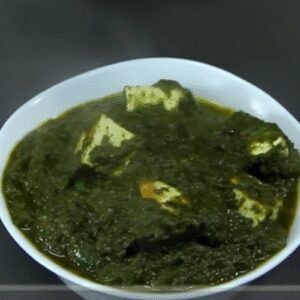
You can eat it with Tandoori Roti or Basmati Rice. Don’t forget to pour lemon juice on top before serving.Using young or baby greens in this dish is very crucial. Using mature leaves or stalks can make things taste harsh and metallic, which we don’t want.
This recipe doesn’t call for blanching because baby spinach has fewer oxalates than mature leaves. If you are using ordinary spinach, though, you can blanch them to get rid of some of the oxalates. Greens like mustard leaves have low levels of oxalate. You don’t need to blanch them, then.
When grown in unsuitable conditions, such as with insufficient water or an uneven soil profile, greens can take on a bitter flavor. Greens produced in the winter or wintertime are best for making saag since they naturally taste less bitter. But please use young or baby greens to make sure your dish doesn’t taste bitter.
This recipe takes longer to cook than my palak paneer because it utilizes more greens for the same number of servings.You need to cook the saag really well until you no more feel the raw taste of greens.
Turnip/Carrot: A small or young turnip is usually added to sarson ka saag to give it an extra rich and delicious flavor. But since that don’t give me the desired results I use carrot. You may leave out that if you know your greens won’t taste bitter. But you won’t taste the carrots in your dish.
Your One-Stop Destination for Every Kind of Recipe
Related Paneer Recipe
Matar Paneer
Paneer Lababdar
Shahi Paneer
Paneer Butter Masala
Kadhai Paneer
Paneer Bhurji
Paneer Tikka Masala
Achari Paneer
Chilli Paneer (Indo-Chinese Style)
Paneer Pakora
Palak Paneer Recipe
Paneer do pyaza


