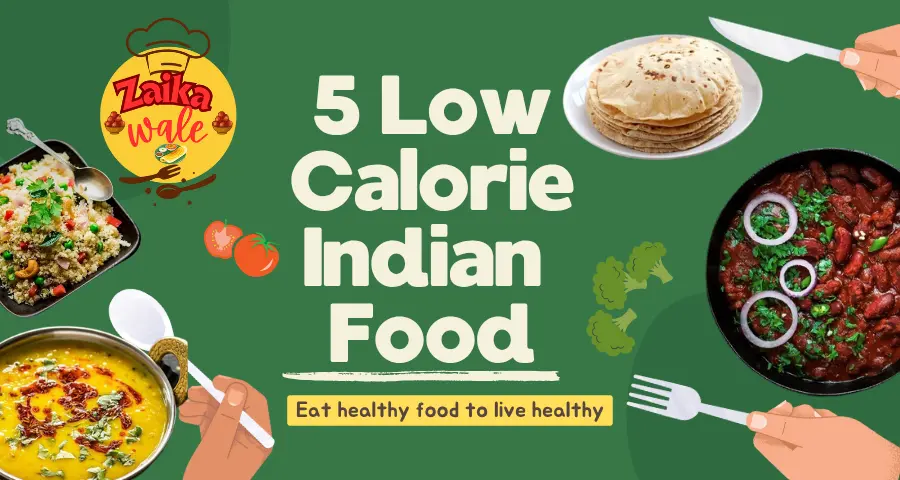
This Upma Recipe is a typical South Indian food, made from rava or semolina, which is roasted and cooked with choice of vegetables and other ingredients that give it excellent flavor. For others, a bowl of hot, soft upma with coconut chutney or sambar is comfort food.
If made properly, upma is soft, fluffy, very moist and not sticky. But made wrong, it is lumpy, dry, chewy or sticky — something most of us have suffered at least once. The trick to making perfect upma is roasting rava correctly and getting the correct water proportion, adding slowly all the while stirring.
This step-by-step recipe explains how to make restaurant-style upma at home that’s fluffy, light and delicious — and not Gluggy or pasty.
This basic recipe is also good combined with veggies or with more nutritious grains such as oats or cracked wheat.
About Upma
Upma, also called as Uppuma, Khara bath is one of the easy and simple breakfast recipes. It is thought to have originated in southern India, then spread across the country as a fast breakfast or light dinner choice.
According to tradition, upma used to be made with only rava tempered with cashews, mustard seeds ,curry leaves and green chille. Gradually, vegetables such as carrots, peas and beans were added to it making the dish a bit more nutritious.
Even now, upma is one of the commonly prepared breakfasts in Indian families because it:
Needs minimal preparation
Uses pantry ingredients
Cooks in under 15 minutes
Can be made heavy or light as you like
Ingredients Used
Main ingredient
Rava (Sooji / Semolina): Use medium or coarse semolina. Do not use very fine sooji as it becomes sticky.
Oil or ghee: For an aromatic, flavor-infused mixture. Ghee gives authentic taste.
Spices –
Mustard seeds
Cumin seeds
Green chilies
Fresh ginger
Lentils
Chana dal
Urad dal
They add crunch and nutty flavor.
Nuts
Cashew nut — A classic rich addition.
Vegetables
Carrots
Green peas
Beans
Flavoring
Curry leaves
Fresh coriander leaves
Lemon juice
Water Ratio for Perfect Upma
The ideal ratio is:
- For soft upma: 2½ cups water
- 1 cup rava : 2½ cups water
- For a slightly grainy texture: 2¼ cups water
- For extra soft texture: Up the water to 3 cups
Notice: Always make sure the water is boiling hot when you add rava.
How to Prepare Upma (Step by Step process)
Step 1 – Roast Rava
- Heat a pan add rava and roast on low flame until it starts to give nice aroma.
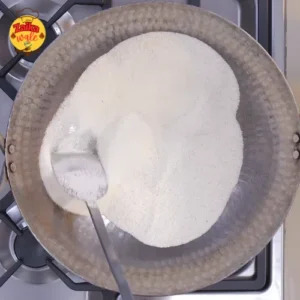
- Stir continuously
- Do not brown it
- Roast for only until it is crisp and nutty in aroma
- Transfer to a bowl and set it aside.
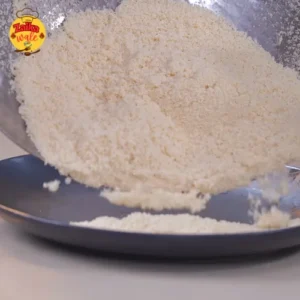
- This step will stop it from being lumpy and sticky.
Step 2 – Tempering the Upma
- Add the oil or ghee to same pan.

- Add Rai (mustard seeds) – to cracle, Cumin seeds, Chana dal & urad dal – fry till light golden, Cashew nuts — roast till crunchy.
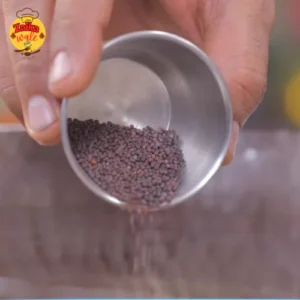

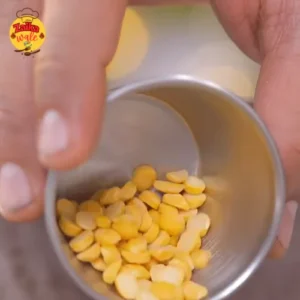

- Then put curry leaves, finely chopped ginger and green chillies add onions.

- Cooke until the onions becomes tender and light golden color.
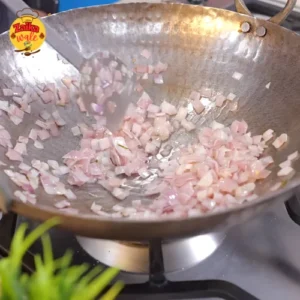
Step 3 – Cook Vegetables
- Stir in chopped vegetables and cook 2 minutes.
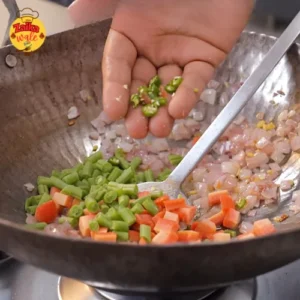
- Add water and salt to pan.
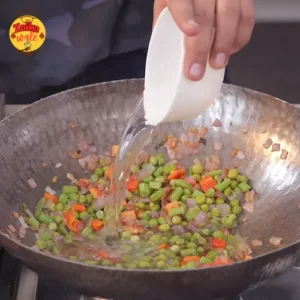
- Bring it to a rolling boil.
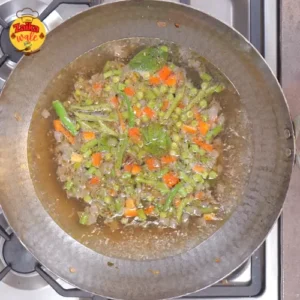
- Taste the water — it should taste only modestly salty
Step 4 – Add Rava Carefully
- Lower the flame.
- I poured rava slowly into the boiling water, stirring with other hand.
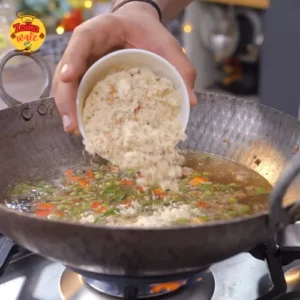
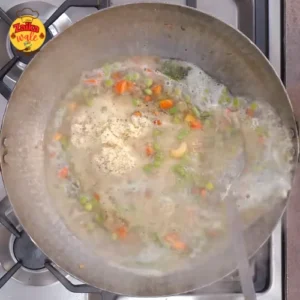
- This prevents lumps from forming. Stir and mix well until the rava is combined with it.
Step 5 – Cook & Steam
- Cover the pan.
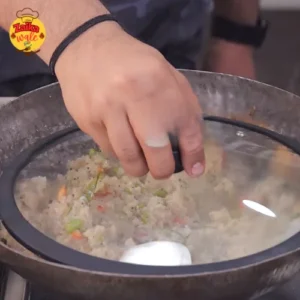
- Turn to low heat and continue cooking for 2-3 minutes or until the water evaporates.
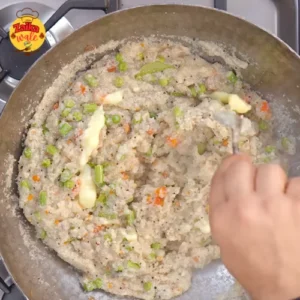
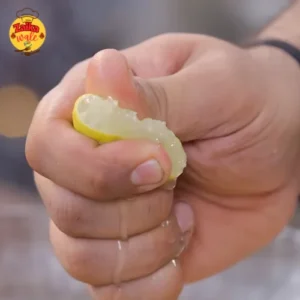
- Switch off the heat. Stir in lemon juice
- and coriander leaves.
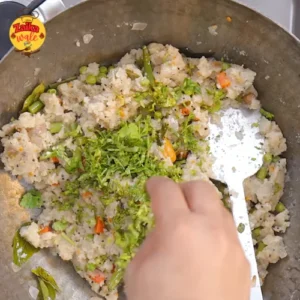
- Drizzle with ghee and fluff, using a fork or spoon.
- Yummy soft and grainy perfect upma is ready to be served!
Tips to Make Best Upma
- Always roast rava first
- Now slowly add rava in boiling water.
- Add rava by keeping flame low
- Stir continuously
- Don’t over-thin the water
- Steamed after mixing to have fluffy texture
Variations of Upma
Vegetable Upma
Include additional vegetables such as capsicum, corn or cabbage for a bigger meal.
Tomato Upma
If you wish mild tanginess, add finely chopped tomatoes for onion.
Oats Upma
Roast 1 cup rolled oats and treat them like healthy upma.
Broken Wheat Upma
Stick to samba rava or cracked wheat for a diabetic friendly option.
Coconut Upma
Finish with fresh grated coconut before serving, for South Indian coastal flavour.
Serving Suggestions
Serve hot upma with:
- Coconut chutney
- Peanut chutney
- Vegetable sambar
- Filter coffee or chai
- Storing & Reheating
- Best eaten fresh
- Preparation can be refrigerated for 24 hours
- Sprinkle with water: before heating, if desired for softness
Frequently Asked Questions
Why does upma get hard or dry?
Add less water or if you do not cover & steam the upma, then it can turn out a bit dry.
Which rava is best?
I would recommend medium rava or coarse rava for the perfect soft yet slight grainy texture.
Can I prepare upma without adding vegetables?
Yes, classic upma has only onion and spices — anything else is an option.
Can I skip cashews?
Yes, but cashews bring a classic richness and crunch to the mix.
Final Words
Upma is one of those dishes that seems so easy and simple but yet the taste & texture varies widely depending on how you make it. From dry roasting the rava till it is fragrant, to getting just the right amount of water to make it soft and then whisking the rava into boiling while matching pace with its rhythm as you keep stirring – every little thing plays a critical part.
But when you make it patiently and with care (and follow these steps) upma is soft, fluffy, moist, fragrant and totally lump free—a truly comforting dish. That’s how traditional South Indian homes and restaurants serve this dish — light but substantial, with a gentle flavorfulness, an ideal balance of texture.
And with these simple tips and tricks, you can always replicate that original flavour at home and have a mouth-watering bowl of perfect upma every time.
Other Healthy Dishes
-
Moong Dal Chilla
-
Soup with Palak
-
Upma with vegetables
-
Chicken Tandoori
-
Lauki sabzi
-
Salad with Sprouted Moong
-
Baingan Bharta
-
Methi Thepla
-
Dosa with Ragi
-
Cabbage Sabzi
-
Moong Dal Tadka – Light, Comforting & Nutritious
-
Soft Phulka Roti – Ghar Ka Swad, Guilt-Free
-
Vegetable Upma – Healthy Breakfast, South Indian Style
-
Rajma Masala – Soul Food, But Smarter
-
Meethi Kheer – Thodi Si Meethi, Thoda Sa Magic
-
Vegetable Idli (Soft, Steamed & Just 40–45 Calories Each)
-
Vegetable Raita (Cooling, Crunchy & 70–90 Calories per Bowl)
-
Methi Thepla (Soft, Wheat-Based & 110–130 Calories Each)
-
Tomato Shorba (Comforting, Tangy & Just 60–80 Calories per Bowl)
-
Oats Moong Dal Chilla (Protein-Packed & 130–150 Calories)
-
Mixed Dal Khichdi (Wholesome & 160–180 Calories per Bowl)
-
Vegetable Handvo (Savory Baked Snack & 80–100 Calories per Piece)
-
Palak Soup (Iron-Rich & 70–90 Calories)
-
Masala Bajra Roti (Hearty & 100–120 calories per Roti)
-
Sprouted Moong Salad (Refreshing & 80–100 Calories)
-
Tawa Tandoori Chicken (Smoky, Lean & 150–170 Calories per Piece)
-
Vegetable Daliya (Filling & 150–170 Calories per Bowl)
ZAIKAWALE: Your Ultimate Destination for Delicious, Healthy Indian Recipes